

Blog
Medical basis of mugwort dietary therapy

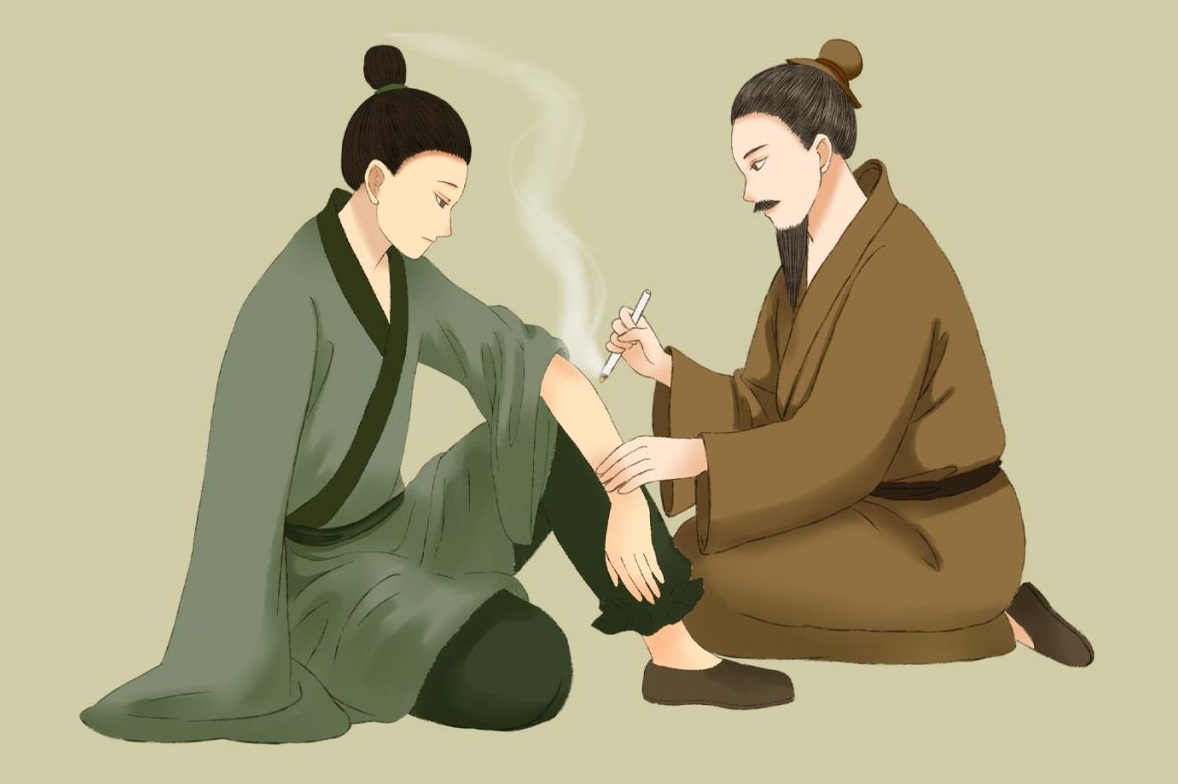
Artemisia, also known as mugwort or wormwood, is considered by traditional Chinese medicine to have the ability to dispel cold, eliminate dampness, warm the meridians, and stop bleeding. It is suitable for conditions of cold-type bleeding and abdominal pain. It has significant therapeutic effects on women with cold-type irregular menstruation, abdominal pain, and excessive menstrual flow, making it a commonly used herb in gynecology. Modern research indicates that Artemisia contains various components such as soft resin, volatile essential oils, glucose, tannic acid, potassium chloride, B vitamins, vitamin C, as well as minerals like calcium, phosphorus, iron, and zinc.
The bitter compound in Artemisia, known as artemisinin, can stimulate blood vessel contraction, enhance the phagocytic activity of vascular endothelial cells, and improve the body’s immune function. It has demonstrated killing and inhibitory effects on bacteria such as Salmonella, Mycobacterium tuberculosis, Shigella dysenteriae, Staphylococcus aureus, Streptococcus hemolyticus, Corynebacterium diphtheriae, and certain fungi causing skin diseases. Additionally, it has been found to have beneficial effects on lowering blood pressure, reducing blood lipids, and alleviating cardiovascular diseases, making it a typical health-promoting vegetable.
Artemisia also possesses nutritional value that should not be overlooked. Every 100 grams of fresh Artemisia stems and leaves contain 5.28 milligrams of carotene, 0.33 milligrams of B vitamins, and 11 milligrams of vitamin C. After drying, Artemisia leaves have a protein content of 25.85%, fat content of 2.59%, and mineral content of 10.13%. In folk medicine, Artemisia is creatively used in various recipes and medicinal diets, and its fresh leaves are known to have appetizing and spleen-strengthening effects.
The therapeutic use of Artemisia has a long history, and today, it continues to be popular. The medicinal basis of Artemisia’s diet therapy lies in the traditional Chinese medicine understanding of its properties, functions, and modern research on its chemical composition and pharmacological effects. The following sections provide an overview of the traditional functions, chemical components, pharmacological effects, and development applications of Artemisia in diet therapy.
I. Traditional Functions and Uses of Artemisia:
In traditional Chinese medicine, Artemisia leaves are considered bitter and warm, entering the liver, spleen, and kidney meridians. Throughout historical records, its functions and uses vary slightly. It is mentioned in ancient texts like “Mingyi Bie Lu” for its ability to treat various conditions, including stopping bleeding, relieving diarrhea, vomiting blood, lower abdominal sores, women’s excessive menstrual bleeding, and promoting muscle growth. It is noted for its effectiveness in preventing miscarriage, relieving abdominal pain, treating leukorrhea, and addressing various issues related to cold and stagnation.
II. Chemical Components of Artemisia:
Artemisia contains a diverse range of chemical components, with the main ones being volatile oils, flavonoids, phenolic compounds, triterpenoids, glucose, tannic acid, potassium chloride, B vitamins, vitamin C, calcium, phosphorus, iron, and zinc.
- Volatile Oils: The volatile oil content in Artemisia is around 0.4%, and its composition is complex, with nearly 100 identified components. Major constituents include monoterpenes, sesquiterpenes, and their oxygenated derivatives. These oils have properties such as anti-inflammatory, antitussive, expectorant, antibacterial, antiviral, and antiallergic effects.
- Flavonoids: Flavonoids are the predominant chemical constituents in Artemisia, with a total content as high as 13.42%. They include compounds like quercetin, luteolin, kaempferol, apigenin, and more. Flavonoids exhibit diverse biological activities, including anticancer, anti-inflammatory, antioxidant, anti-edema, and immunomodulatory effects.
- Triterpenoids: Artemisia contains triterpenoid compounds such as artemisinin, β-amyrin, and α- and β-amyrin acetate. Triterpenoids are known for their strong biological activities, including anti-inflammatory, hepatoprotective, antibacterial, antiviral, anticancer, antihypertensive, and cholesterol-lowering effects.
- Trace Elements: Artemisia is rich in trace elements such as strontium, chromium, cobalt, nickel, manganese, copper, zinc, iron, sodium, potassium, calcium, and magnesium. Different geographical locations may result in variations in the elemental composition of Artemisia.
- Tannic Acid Compounds: Tannic acid, mainly composed of catechins, contributes to Artemisia’s hemostatic properties. It also plays a role in the plant’s antipyretic effects and has physiological activities such as lowering blood pressure, inhibiting lipid peroxidation, and antioxidant effects.
- Polysaccharides: Artemisia polysaccharides exhibit excellent antioxidant and strong antitumor activities, as well as immune-enhancing effects. Optimal conditions for extracting Artemisia polysaccharides include a soaking temperature of 99°C, soaking time of 2.3 hours, and a water-to-material ratio of 20:1.
- Other Components: In addition to the mentioned components, Artemisia contains proteins, vitamins, fats, carotenoids, chlorophyll, cellulose, alkaloids, caffeic acid, quercetin, saponins, and phenolic compounds, contributing to its high nutritional value.
In conclusion, Artemisia, with its rich chemical composition, has been widely studied for its therapeutic properties and nutritional benefits. The combination of traditional knowledge and modern research provides a comprehensive understanding of Artemisia’s functions, making it a valuable herb in both traditional medicine and contemporary diet therapy.