

Blog
Meet Mugwort

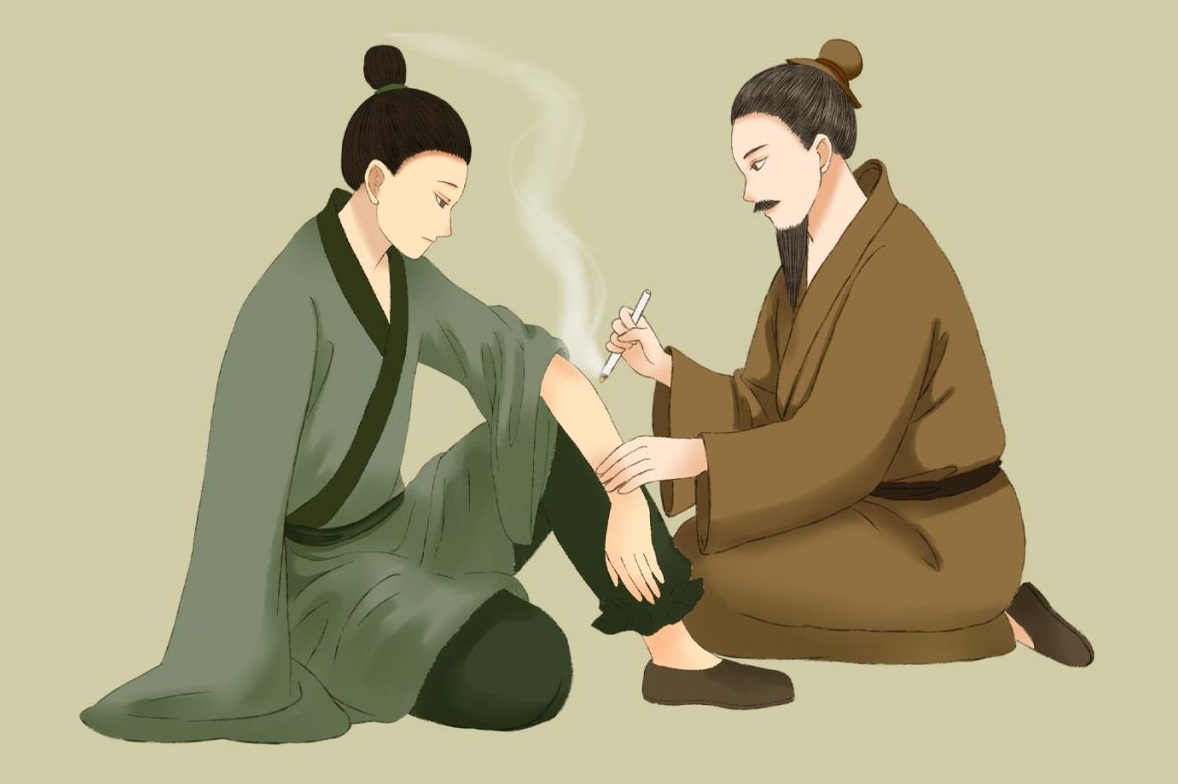
Artemisia, also known as Bingtai (“Erya”), Artemisia argyi (“Erya” with Guo Pu’s annotation), Medicinal Herb (“Mingyi Bie Lu”), Moxa Herb (“Piya”), Qiai Artemisia (“Qiai Zhuan”), Yellow Herb (“Bencao Gangmu”), Family Artemisia (“Yilin Zuanyao”), Sweet Artemisia (“Bencao Qiuyuan”), Artemisia Herb, Fragrant Artemisia, and Ajiai (“Dictionary of Chinese Medicine”). In modern terms, ancient Artemisia is considered to be the composite name for the chrysanthemum family plants Artemisia argyi Levl.et Vant. and its neighboring species. The leaves are used for medicinal purposes, hence the name “Artemisia Leaf.”
In Chinese folklore, there is a tradition of consuming Artemisia leaves during the Dragon Boat Festival and Qingming Festival, commonly referred to as Artemisia. The English and Latin names are “Leaf of argyi wormwood” and “Folium Artemisiae Argyi,” respectively. Today, the authentic medicinal product derived from Artemisia is Artemisia argyi, as documented in the Pharmacopoeia of the People’s Republic of China (1965, 1977, 1985, 1990, 1995, 2000, 2005, 2010, and 2015 editions). Other plants such as Artemisia vulgaris L., Wild Artemisia (Small Leaf Artemisia) A. lavandulaefolia DC., and Kuihao (Yellow Flower Artemisia) A. princeps Pamp. are used as substitutes for Artemisia leaves in some regions across the country, with a long history of medicinal use. Therefore, books like “Artemisia Leaf” consider these three species as alternative substitutes.
Additionally, there are over 20 plants in the same family and genus as Artemisia leaves, including Korean Artemisia, Broadleaf Artemisia, Tian Shan Artemisia, Mongolian Artemisia, Redfoot Artemisia, Quistalk Artemisia, Artemisia annua (Water Artemisia), Gray Husk Artemisia, Liaodong Artemisia, Yindi Artemisia, Willow Leaf Artemisia, May Artemisia, White Leaf Artemisia, Southern Artemisia (Southern Wild Artemisia), Xianggan Artemisia, Dark Green Artemisia, Southern-Central Artemisia (Southern-Central Wild Artemisia), Qinling Artemisia, and Dwarf Artemisia, all being used as Artemisia leaves in various regions of the country. The high-quality variety “Qiai Artemisia” from Qichun, Hubei, is considered the best in terms of quality. “China Plant Science” has included Qiai Artemisia and pointed out the essential differences in morphology, scent, and physical properties between cultivated (Qiai Artemisia) and wild (Artemisia) varieties.
Renowned plant taxonomist Professor Lin Yourun has designated the scientific name of Qiai Artemisia as Artemisia argyi Levl. et Vant. cv. qiai, considering it the authentic Artemisia leaf. Research and applications from ancient times to the present have consistently shown that the medicinal properties of Qiai Artemisia are superior, providing optimal clinical efficacy. For culinary and dietary purposes, Mugwort is considered the best, not only for its efficacy but also for its pleasant taste. Tarragon can also be used, and if choosing Artemisia, it is recommended to select young leaves in early spring for the best culinary results.